Back


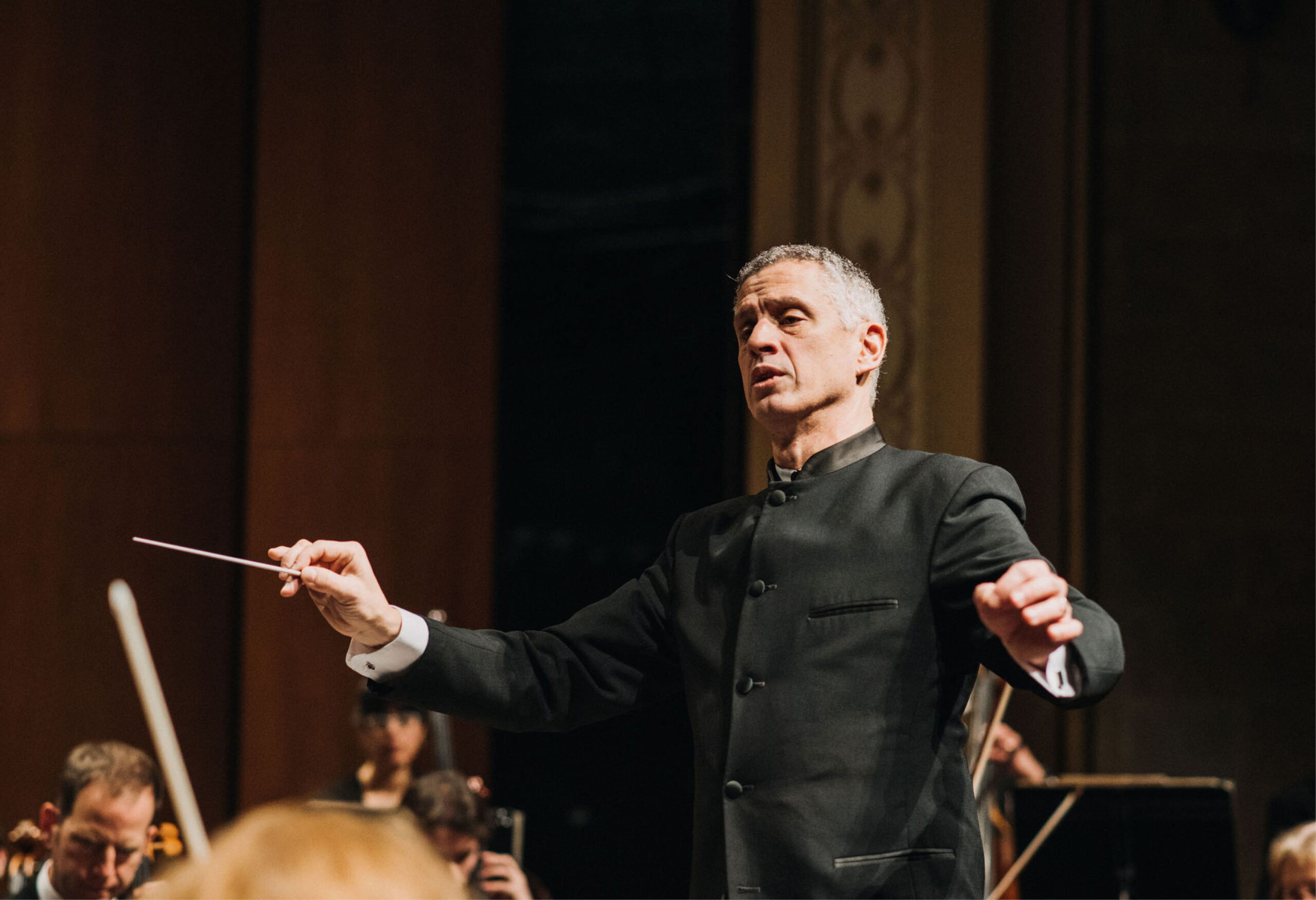
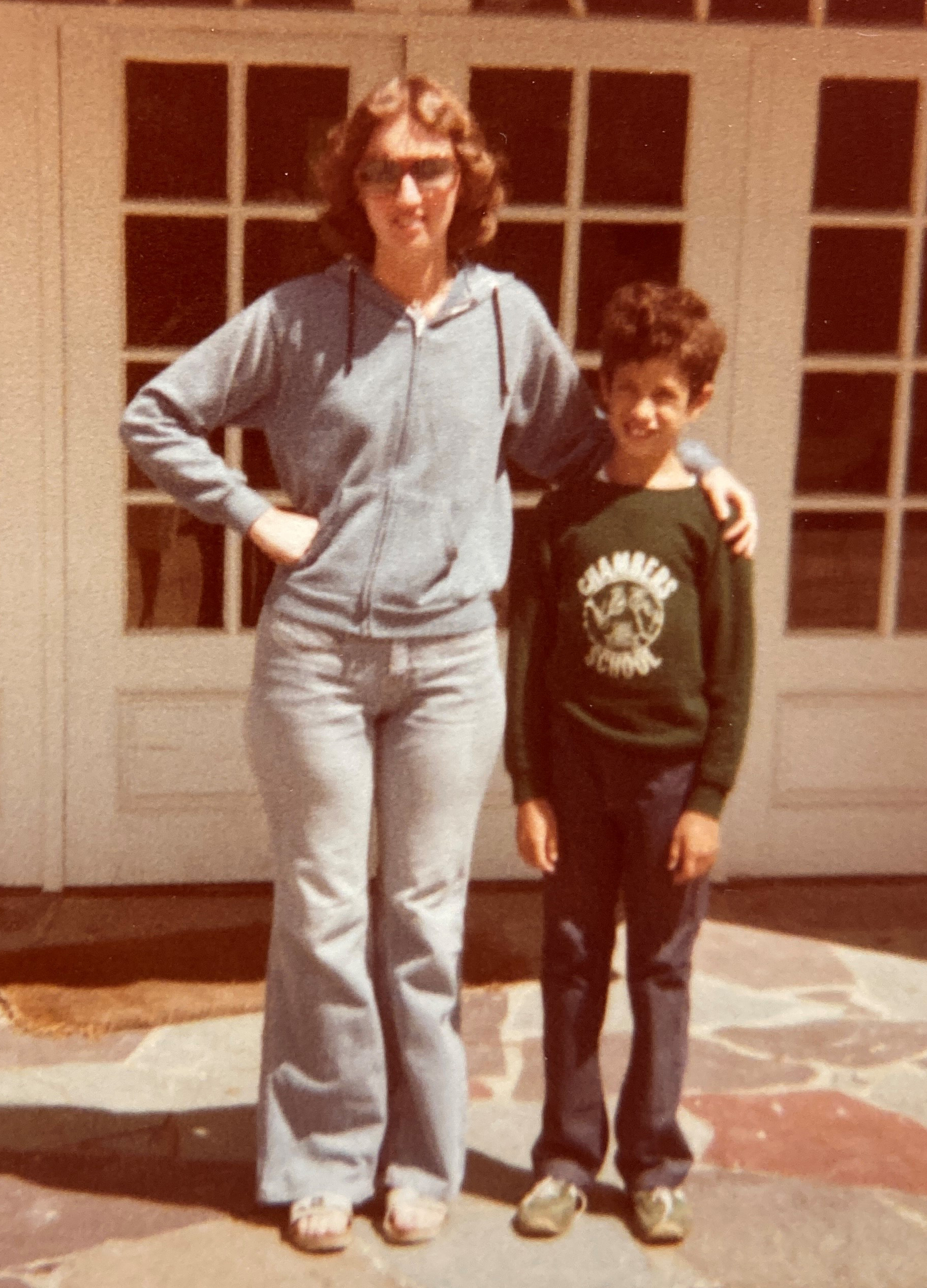
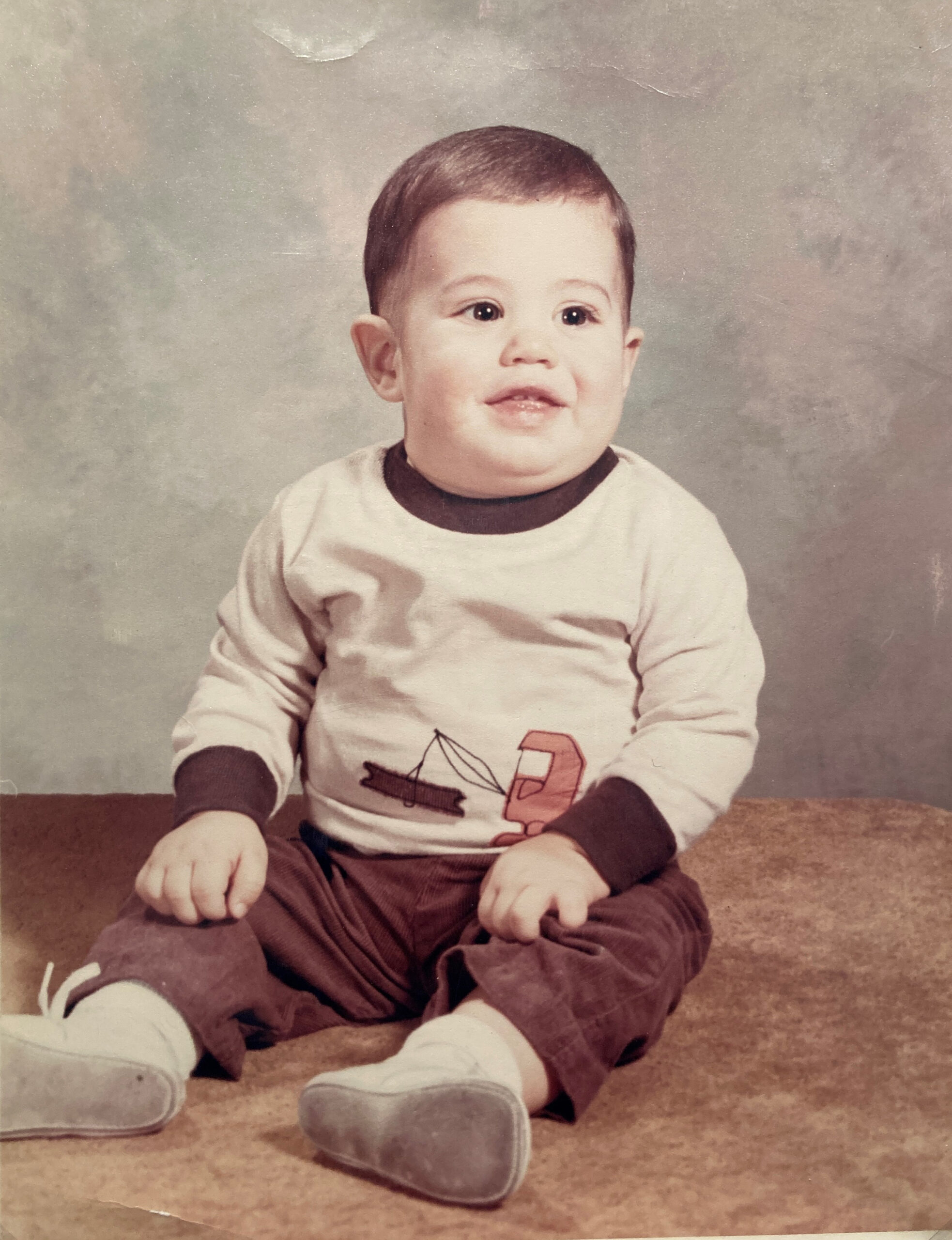
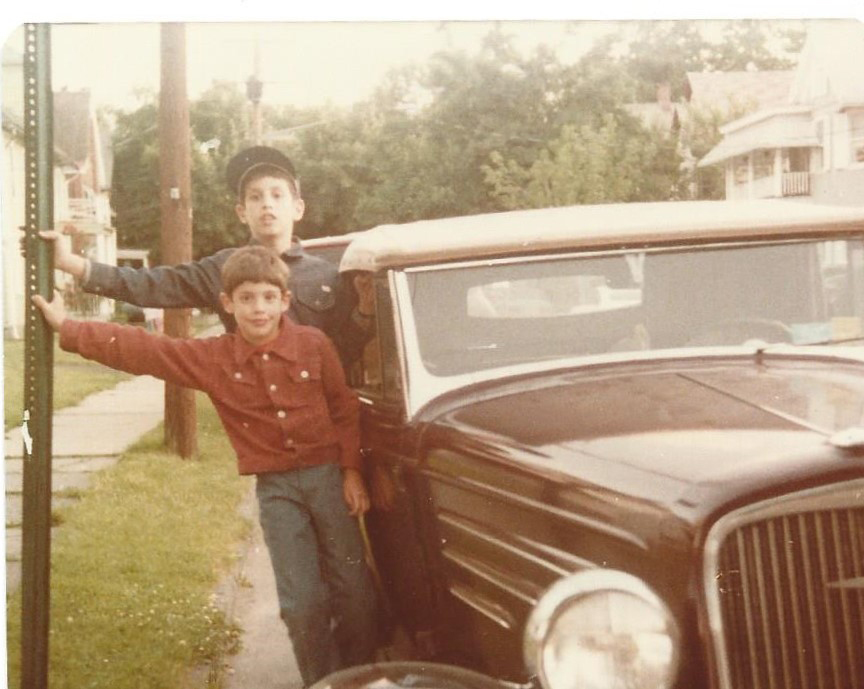
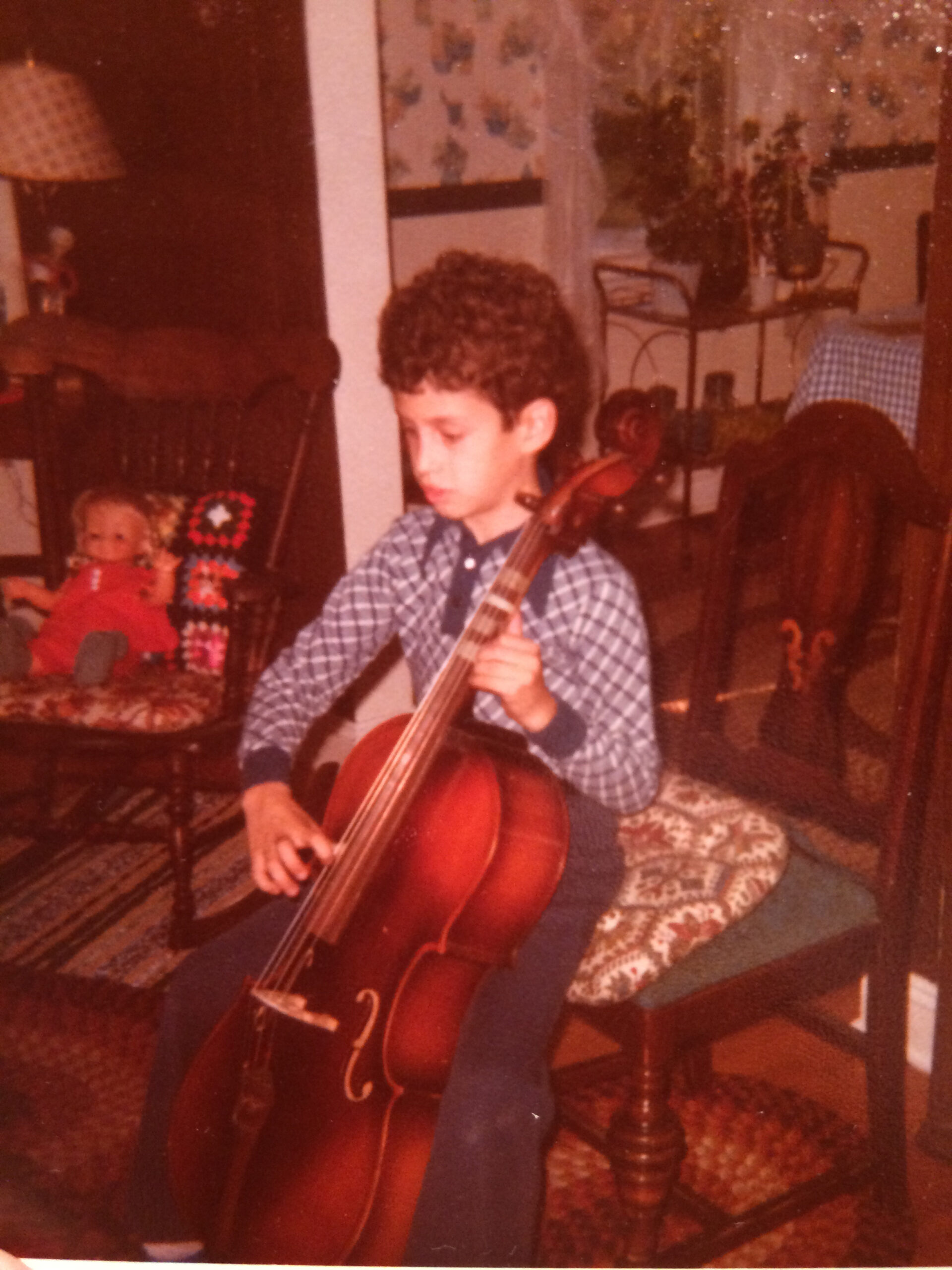
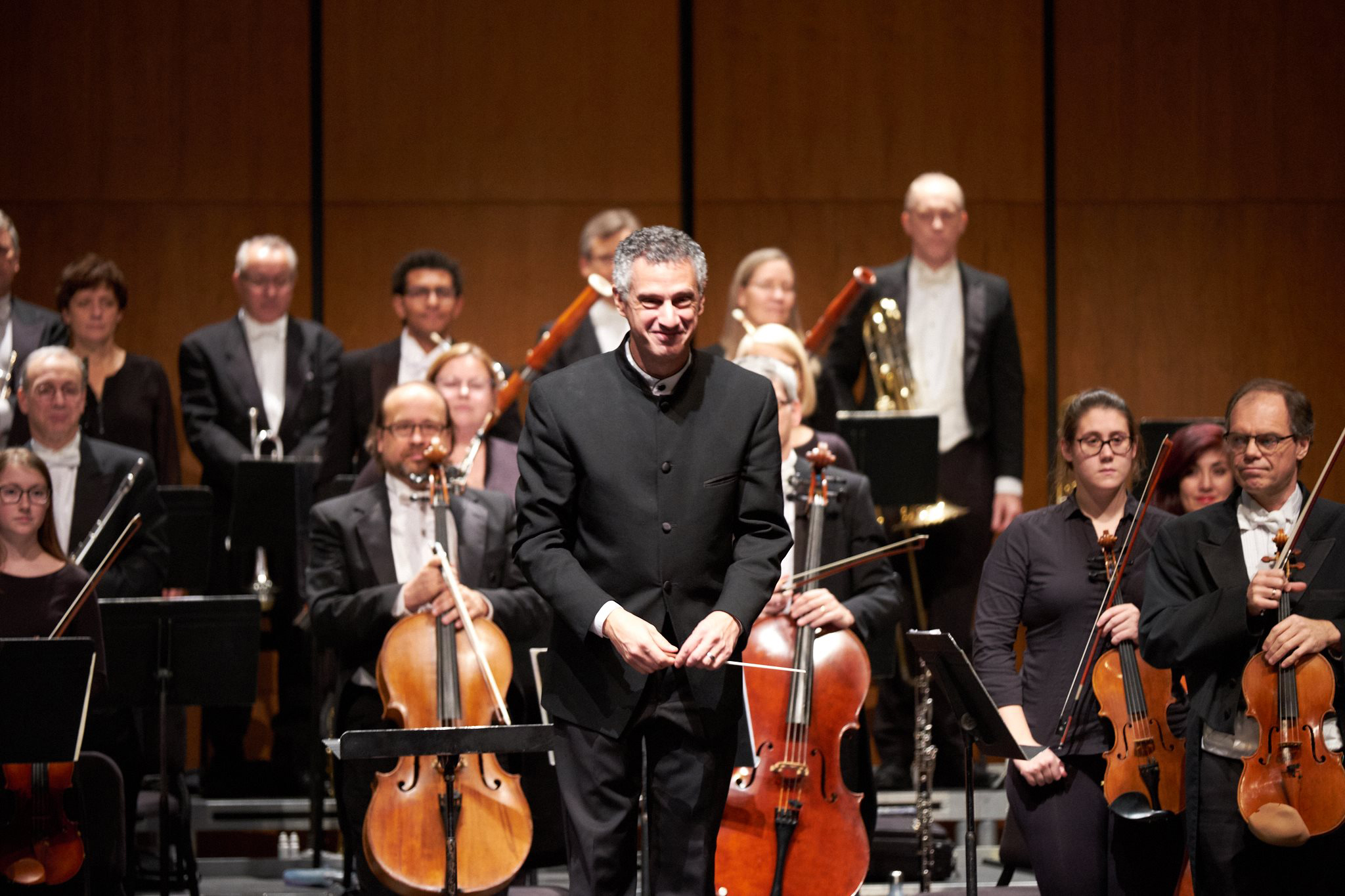
As a fifth grader in his hometown of Kingston, NY, a music teacher grabbed a young Robert Franz’s hands and looking at them admiringly said, “You have the hands of a cellist!” Robert Franz had other plans. Sure, he played cello for a few years, but when the family moved to North Carolina when he was eleven, he switched to oboe. But his musical metamorphosis was not yet complete. It was during his undergraduate studies as an oboist at the North Carolina School for the Arts that Robert had the opportunity to conduct Beethoven’s Symphony No. 1. It was then that he knew what he wanted to do. That boy with the hands of a cellist, from a small town in the Hudson Valley, went on to make his mark on an orchestra a thousand kilometres away in Windsor, ON, leaving a lasting legacy in a city he grew to know as home.
When Robert Franz died on September 2, 2025, at the age of 57 from Non-Hodgkin lymphoma, word of his death spread quickly. A larger-than-life personality who was as apt to appear on-stage in a superhero costume as he was a bow tie; a voracious student of classical and orchestral music who loved living in the urban core and stopping to talk to friends and neighbors on his daily walk to work, Robert Franz arrived in Windsor when the Windsor Symphony Orchestra (WSO) needed him the most, and became the kind of civic leader every city needs. And now, all too suddenly, Windsor had lost its maestro.
Robert had been very public about his cancer journey after being first diagnosed in October 2021. He had been in remission for two and a half years when the cancer recurred in January 2025. Robert’s husband, Brandon Atkins, said a stem cell transplant was discussed and Robert opted to pursue that treatment, using his own harvested stem cells. Complications during this second battle with cancer, however, were more severe than anticipated. Through additional treatment options following the unsuccessful stem cell transplant and failing health, Robert continued to work and plan for the WSO 2026-2027 season right up until August 31, when it became clear that the efforts to address the widespread issues in his body caused by cancer were not going to be successful. He died two days later.
“It was a very courageous battle,” Brandon said of his husband’s passing. “He said, ‘I’m ready, I have no regrets, I’ve lived an amazing life…’”
He knew at the age of eight that he wanted to be a musician,” Brandon said of Robert’s early passion for music, nurtured by that Kingston, NY, music teacher, Willa Loescher, who reached out to Atkins in the days following Robert’s death. A staunch proponent not just of music education, but the role of music in learning, Robert told the story of Loescher’s influence on his career to countless students over the years — in university lecture halls, conductor’s workshops, and in gymnasiums packed with children, many of them experiencing live orchestral music for the first time at a WSO school concert.
Robert was the first student to earn a master’s degree in conducting from the North Carolina School of the Arts (now the University of North Carolina School for the Arts) where he eventually served as music director concurrently with his duties at the WSO and as artistic director of Boise Baroque Orchestra.
Other stops along the young maestro’s path included the founding of the Carolina Chamber Orchestra, Mansfield Symphony, Louisville Orchestra, Buffalo Philharmonic Orchestra, Houston Symphony, Boise Philharmonic, along with numerous guest-conducting appearances with Detroit Symphony, Baltimore Symphony, St. Louis Symphony, Cleveland Orchestra, Saskatoon Symphony Orchestra, and Orchestra da Camera Fiorentina in Italy, among many others.
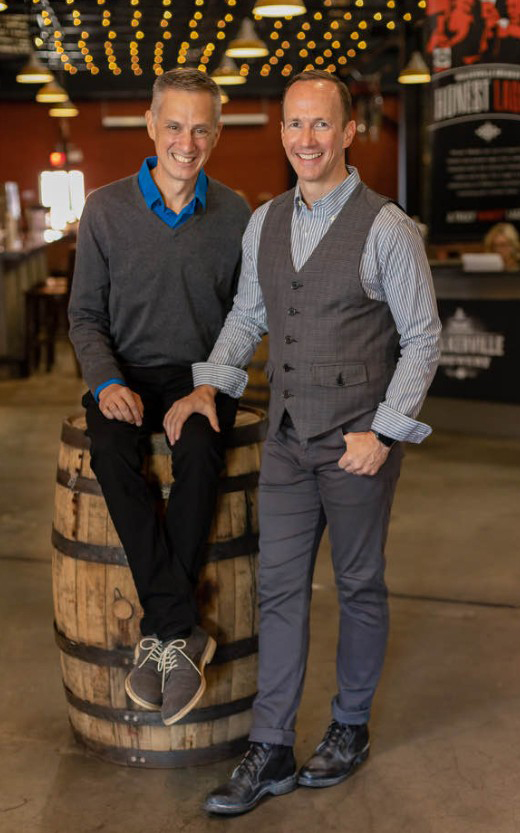
Serendipitously, it was while serving as music director at Boise Philharmonic that Robert met Brandon, the love of his life. An epidemiologist, Brandon had been working in public health and coaching gymnastics in Las Vegas but relocated to Boise to be closer to family in 2011. Robert came into the sushi restaurant where Brandon was working part-time and they became friends. A few years later, sitting under a tree while Brandon’s daughters played at a waterpark, it was Robert who first knew that they had a future together. Two years later, in November 2014, they were one of the first gay couples to be legally married in the State of Idaho.
“We really had an exceptional love and life together and we were both grateful for that,” Atkins said of his life with Robert, with whom he shared three daughters: Caitlyn, 23, Taylor, 22, and Paige, 20. “We didn’t regret any of the things we had been able to do together. We really lived our lives together. [In the end] he just wanted to make sure I would be okay. He was worried about me. He was at peace with the idea that his expiration date had arrived, but he felt that need to make sure I would be okay. And I had to assure him, ‘Of course, I’m going to do everything I can to make sure I’m okay. I’m going to be sad; it’s going to be hard — but, thank you, for the love of my life. Thank you for sharing that.’” “He was,” Brandon said, “my rockstar.”
It was that larger-than-life personality tempered with a genuine humility — an ability to bring people into the world of symphonic music, making them feel included, accepted, important to the experience — that brought Robert Franz to Windsor. It was 2013: the WSO had fallen on hard financial times, and the search was on for a new music director. Over 150 conductors from around the world had applied for the job. Barb Kuker was WSO board president at the time and recalls the field of candidates had been narrowed down to 10, but the search committee was concerned. She called former WSO music director John Morris Russell and said, “This is not looking too good.” She read the list of remaining candidates over the phone. Hearing them, Russell said, “Well, just you wait until you hear that last one.” The last candidate on the list was Robert Franz.
One of the things Robert had said during the interview process was that he loved to renovate and fix up old homes — something Robert and Brandon continued to do throughout their marriage.
“We weren’t in awful shape,” Kuker said of the WSO’s status in 2013, “but we certainly needed a spark. I said, ‘If that’s your hobby and you like to fix things up, then you’re the guy for us.’ And he was. Robert was so proud of these musicians. He always said, ‘I can take them anywhere in the world.’”
Sheila Wisdom came on board as executive director of the WSO shortly after Robert was hired and was struck by his deft ability to lead a team, especially under the unique dynamics of symphony orchestra management, where there are two people responsible for the successful running of the organization.
“What was wonderful about Robert is that we shared a sensibility about the WSO and what we wanted the organization to offer the community, and how we wanted it to engage the community,” Wisdom said of their nine-year working relationship that grew to be a genuine friendship. “So, any differences we had we were able to work through, and that is a very important piece, and a big part of the reason we were able to do that was because of what Robert brought to the table.”
In March 2020, Covid-19 brought the world to a sudden halt. The WSO had a concert scheduled for that first Saturday night of the pandemic. Rather than cancel the performance, the WSO pivoted to live-streaming the concert online — the first orchestra in Canada to do this. It was Robert Franz, working with and leveraging the talents of the orchestra and the WSO and Capitol Theatre staff, who made it happen. The WSO reached a nation-wide audience and continued to pay its musicians when so many other arts organizations were shutting down.
“It was an amazing way to foster creativity,” Wisdom said of the innovation. “I’m not sure where the WSO would be today if not for that.”
That orchestra Robert Franz was so proud of, boasting that he could take them anywhere in the world? They loved him in equal measure. WSO Concertmaster, violinist Lillian Scheirich, has been with the orchestra since 1989, through three primary music directors and countless interim and guest conductors. None, she said, have been quite like Robert.
“He knew the best way to work with people was to get them to be their best selves,” said Scheirich, pointing out how Robert was the antithesis of the temperamental, iconoclastic, rigid, and stuffy personality that is often ascribed to conductors. “He expected a lot of us as musicians, but no matter how rough it got, he would never get angry. He wanted to make sure no one was left behind.”
For Faith Scholfield, who aside from playing oboe and English horn is also the WSO’s operations manager, it was this willingness to be at the level of everyone around him that made Robert so effective as a music director. “There’s a lot of emotional labour that goes into being the music director,” said Scholfield, who became close friends with Robert and Brandon during their years in Windsor. “Dealing with 50 or 60 musicians… Robert was able find balance between his role, the needs of the WSO, and the needs of the individual, so they could perform at their best.”
Post-cancer diagnosis in 2021, Robert did not step back form his duties. He cared too much about the WSO — its mission and its people — to not be at the conductor’s podium, and in the weekly marketing and staff meetings. A few days before his death he attended an online meeting with WSO staff from his hospital bed, to make sure they had everything they needed for opening weekend, which he was already scheduled to miss.
“I think that says a lot about a person,” said Scheirich, “when their last thoughts, their last wishes are about other people… He knew he was so sick, but he still made time for others. That’s just unbelievable to me. It just makes my heart break.”
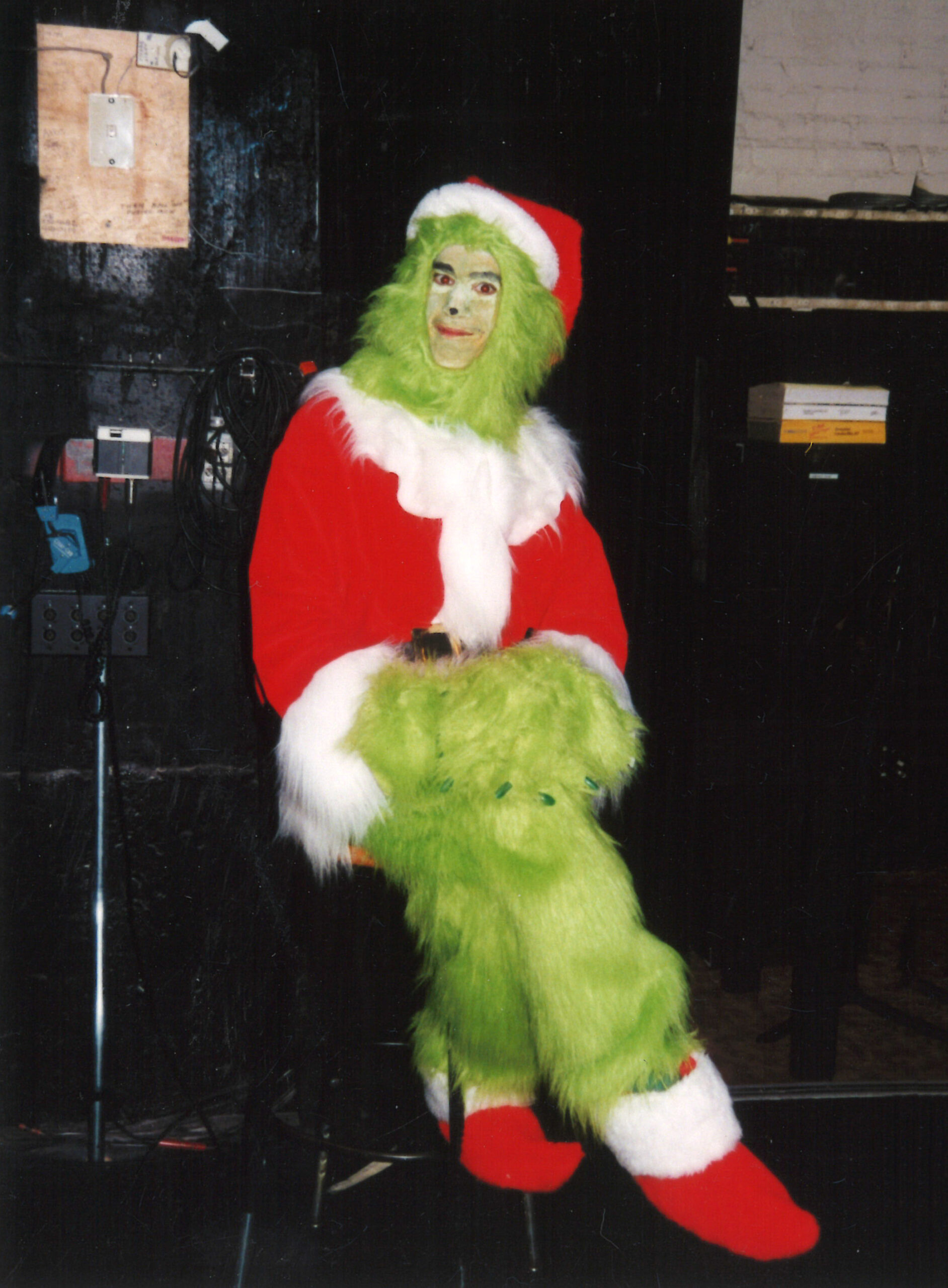
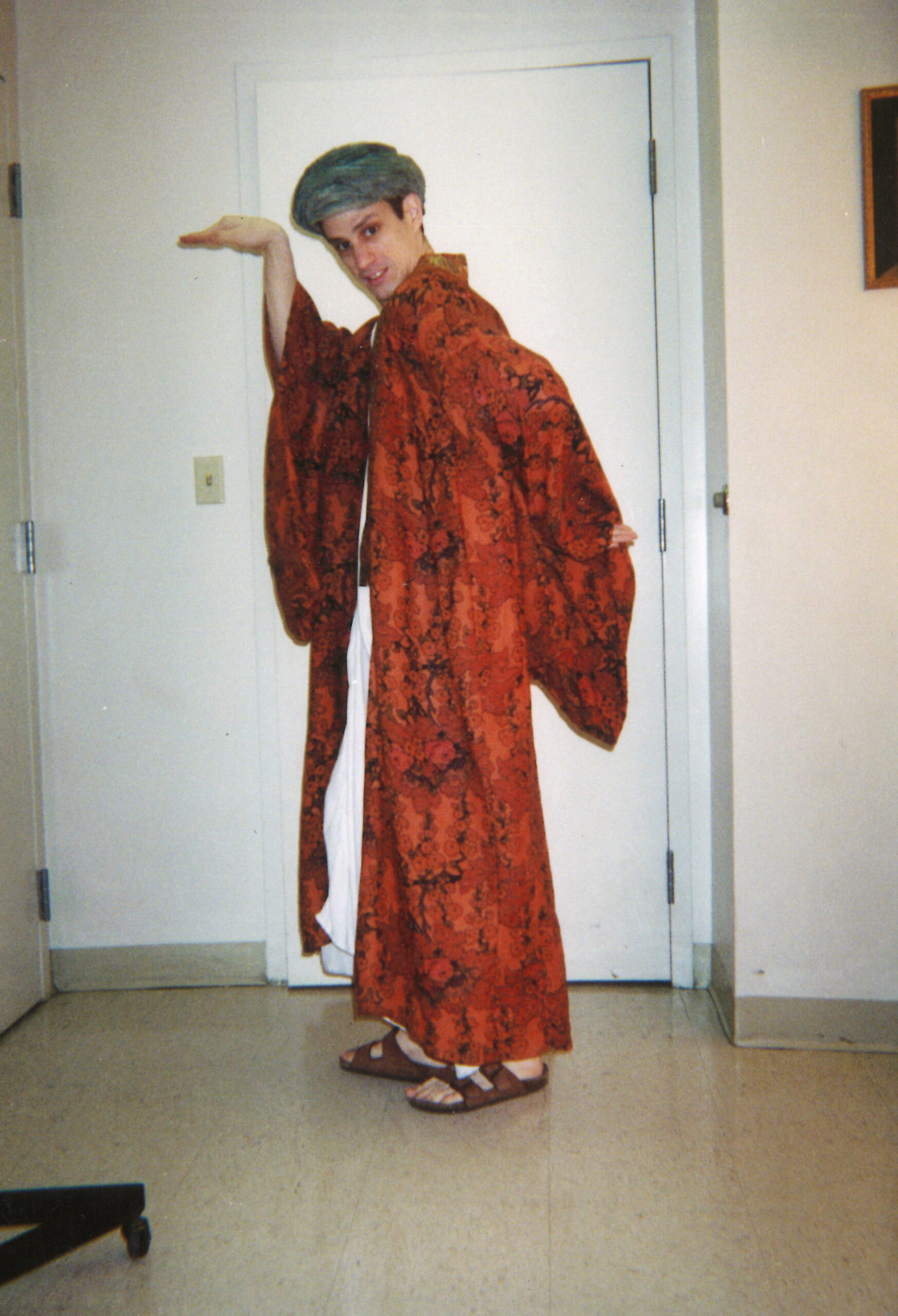
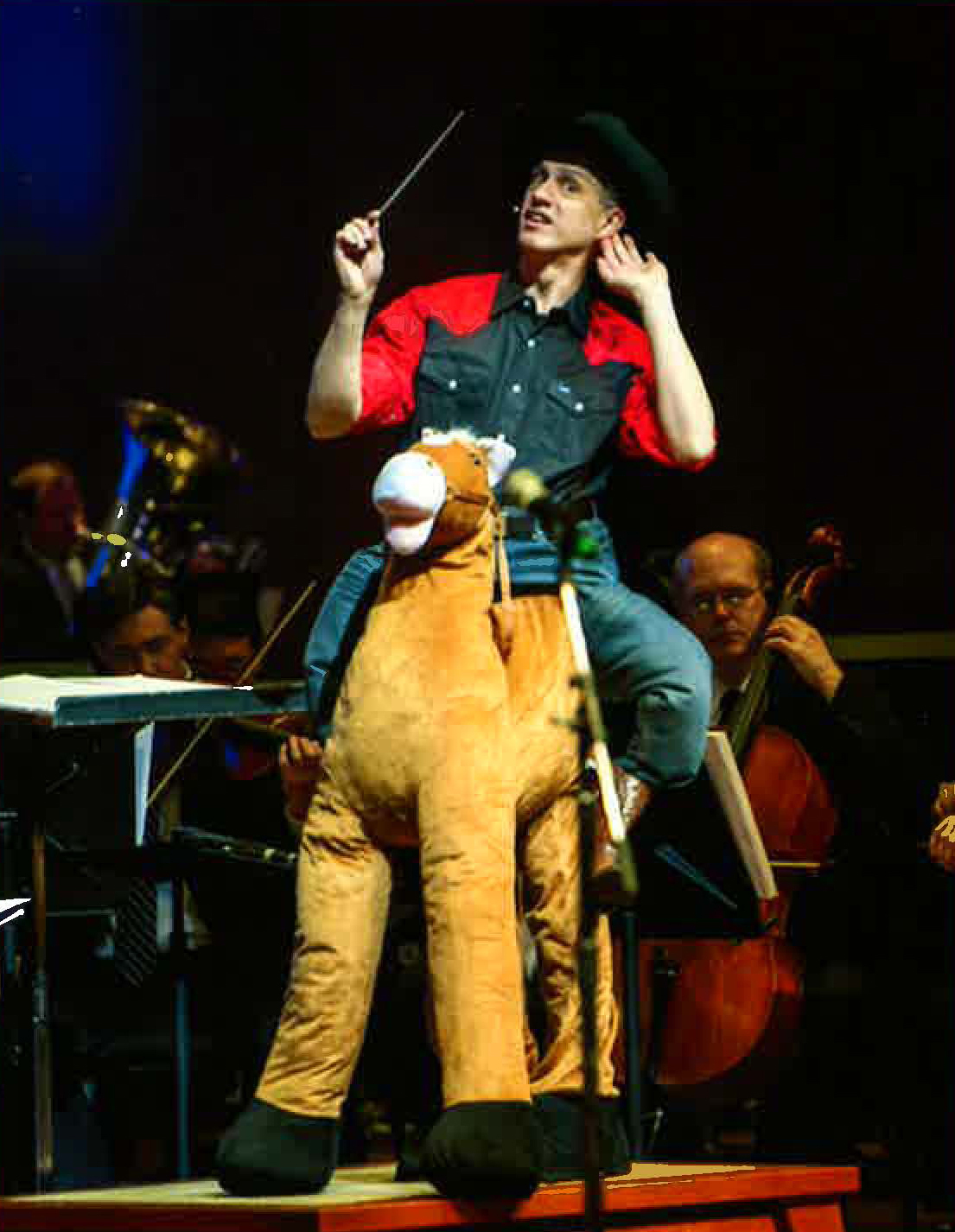
Upon news of his death tributes poured forth from orchestras, schools, festivals, classical music radio stations, magazines, websites, the media and blogs across North America. All of them mentioning the same qualities: Robert’s exuberance, his infectious energy, the joy he brought to the music, the stage, the audience, his willingness to dress up in a costume if it’s what the performance required.
WSO board president Deborah Severs, who worked with Robert for four years, says one of the most important costumes he wore was a simple, humble one: that of a volunteer at the Windsor Regional Cancer Centre between his own cancer battles, greeting patients, delivering files, and spending time with people who, like him, were going through the trials of cancer treatment.
“Robert didn’t need to wear a cape or a costume to be a superhero,” Severs said. “He was our superhero, and he was a superhero to so many.”
Just three weeks after his death the City of Windsor and WSO held a concert in the Pelissier Street parking garage to celebrate the grand opening of the Park In Perfect Harmony initiative that was Robert’s brainchild. Each of the garage’s floors were renamed after classical composers (Bach, Mozart, Beethoven, and Tchaikovsky), and snippets of their famous symphonies were recorded by the WSO to play when people step out of the elevators. At the opening, Windsor Mayor Drew Dilkens announced that an additional floor — the top floor, exposed to bright sunlight, with sweeping views of downtown Windsor, neighbouring Detroit, and the two bridges that connect the two cities — had been renamed in memory of Robert Franz. Maybe not every music director would like having the floor of a parking garage named after them. Those who knew Robert, know that he would have loved it because he loved Windsor, he loved downtown, and he was driven to have music and the WSO play a bigger role in the city.
“Windsor had everything Robert needed to grow a lively, successful, professional orchestra,” said WSO executive director Patti Lauzon. “Other music directors came before him and laid the foundation, but Robert was ready to renovate it and bring it to the level we are at now.”
During Robert’s tenure as music director, the WSO’s endowment grew from under $750,000 to $5 million. Bigger audiences and increased patronage are always a welcome sign of good health for any orchestra, but Robert’s impact is much more difficult to quantify simply because of the breadth of the communities and the lives he touched.
“It’s so important that the WSO continues to be a strong voice in the community,” Lauzon said. “This was Robert’s vision, and it is all of our responsibility now — to make sure we keep engaging with donors, audience members, volunteers, our community. To make sure we are fulfilling what he put in place.”
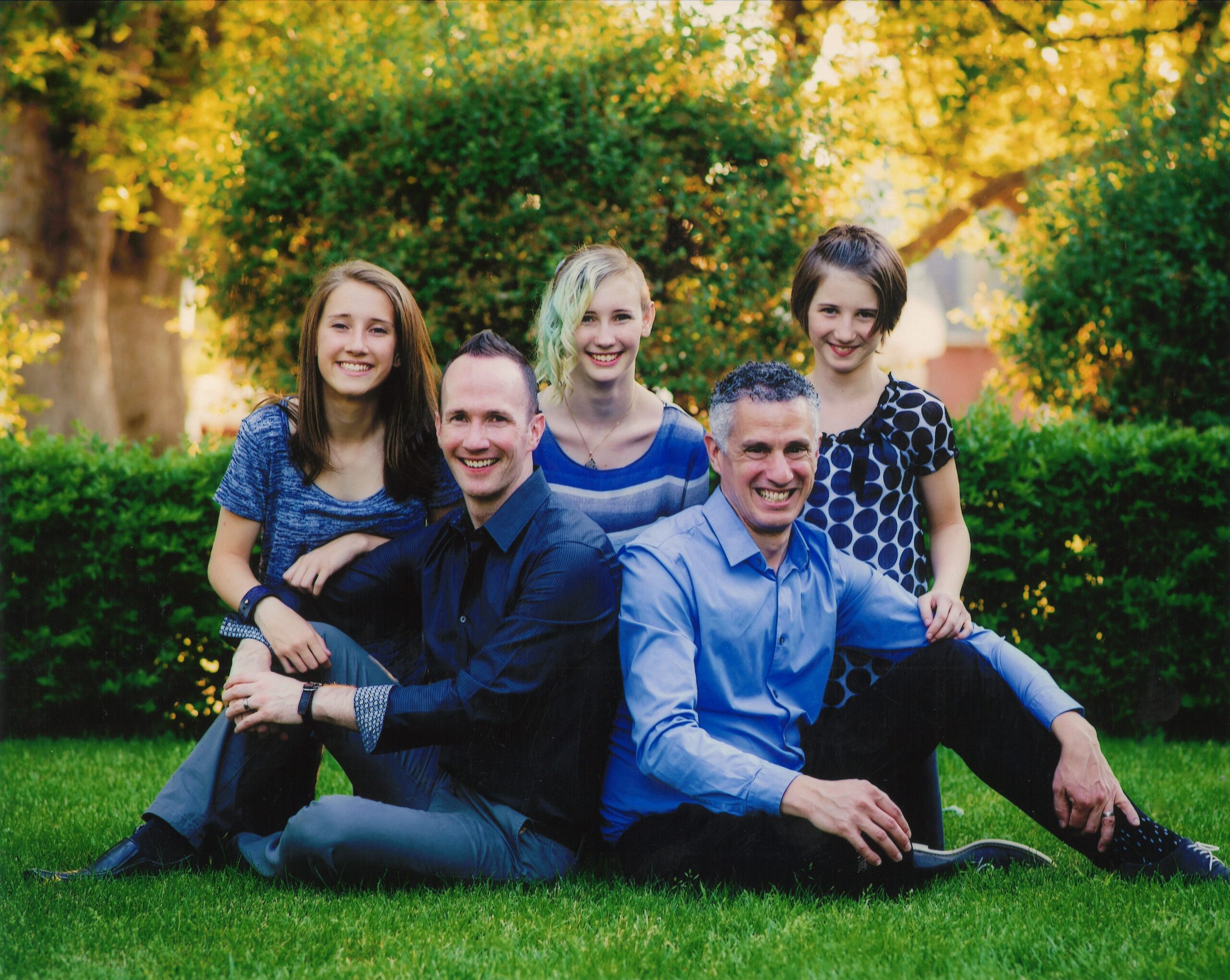
On his husband’s legacy, Brandon sees it extending out from Windsor to everywhere Robert worked, taught, and lived: “I would venture to guess that he will be remembered as one of the most pivotal, influential conductors ever to work in Windsor for the passion he brought to his work and the connections he made.”
That legacy will also live on, Brandon said, in the young people he loved and inspired, especially their three daughters, and Robert’s niece, Stella. “They all loved him and cared for him, and they will carry his memory, which is really magical for him because he never thought he was going to have a family,” Brandon said. “Robert, as a young man, never thought that would be part of his life. He will live on in future generations. Robert’s hope, always, was that he could help make music and the arts more intrinsic in people’s culture and lives. And that goes back to his roots of music education, and making sure that he could create meaningful, impactful experiences with music.”
Robert also gained a family with the Windsor community. How gratifying — how reassuring — to know that Robert Franz came from elsewhere and was happy, creative, committed, and engaged with Windsor. The loss of his brilliant light will be felt deeply and the impact of his humanity on our hearts and imaginations leaves us unequivocally changed for the better.
Rest easy, Maestro.
This story was written September 2025.